
Baja tacos are not just a food trend or a menu highlight — they are the culinary expression of a place. Rooted in the coastal towns of Baja California, these tacos tell a story of ocean air, early-morning fish markets, street-side stands, and a deep respect for fresh ingredients. They represent a style of cooking that prioritizes balance over excess and flavor over flash.
Unlike other taco styles that lean heavily into richness or spice, baja tacos are defined by contrast. Crispy meets creamy. Bright citrus cuts through warm batter. Fresh vegetables offset savory seafood. Each element plays a role, and nothing feels unnecessary.
This guide explores everything that makes baja tacos timeless — from their origins and ingredients to their cultural impact and modern evolution. Whether you’re discovering them for the first time or already know why they’re special, this is a deep dive into what makes baja tacos one of the most enduring icons of coastal Mexican cuisine.
Key Takeaways
- Baja tacos originated in the coastal fishing towns of Baja California
- Seafood is central, with lightly battered fish as the traditional foundation
- Authentic baja tacos are simple, balanced, and ingredient-driven
- Baja-style sauce and fresh lime are essential to the experience
- Their freshness and versatility make baja tacos a lasting favorite
Where Baja Tacos Come From
Baja California stretches along the Pacific Ocean and the Sea of Cortez, a region defined by its access to fresh seafood and its laid-back coastal culture. For generations, fishing has shaped daily life here, and food naturally followed what the ocean provided.
In towns like Ensenada, fishermen would bring in the day’s catch, and small stands would turn that fish into something fast, affordable, and satisfying. Fish was lightly battered, fried quickly, and served in warm tortillas with cabbage, sauce, and lime. These early tacos weren’t meant to be refined — they were meant to be eaten immediately, often standing near the stand where they were made.
Over time, these simple fish tacos became emblematic of the region. Travelers discovered them, surfers fell in love with them, and eventually, the idea of baja tacos crossed the border. What made them special wasn’t just the seafood — it was the feeling. They tasted like the coast.
The Philosophy Behind Baja Tacos

At their core, baja tacos are about restraint. This may seem counterintuitive in a world where tacos are often overloaded with toppings, sauces, and garnishes, but restraint is exactly what makes them work.
Every ingredient serves a purpose:
- The fish provides richness and texture
- The batter adds crunch without heaviness
- The cabbage brings freshness and bite
- The sauce adds creaminess and balance
- The lime brightens everything
There’s no room for unnecessary ingredients. Baja tacos succeed because they trust the quality of their components.
The Seafood: The Heart of Baja Tacos
Seafood isn’t optional in baja tacos — it’s essential.
Traditional Fish Choices
The most common fish used in baja tacos are mild, flaky white fish such as cod, halibut, or mahi-mahi. These varieties hold up well to battering and frying while remaining tender inside.
The fish should never be masked by seasoning. Instead, it’s lightly seasoned to allow its natural flavor to shine once cooked.
Why Batter Matters
The batter used for authentic baja tacos is light and airy, often beer-based or tempura-style. Its purpose is not to dominate the fish but to protect it, creating a crisp exterior while keeping the inside moist.
A heavy or greasy batter undermines the entire taco. When done correctly, the batter feels almost weightless.
Shrimp and Other Variations
Shrimp baja tacos are a popular alternative, offering a sweeter, firmer bite. While fish remains the classic choice, shrimp fits seamlessly into the Baja style when prepared with the same balance and simplicity.
The Tortilla: The Unsung Foundation
A great baja taco can be ruined by a bad tortilla. Traditionally, corn tortillas are used, offering a subtle sweetness and structure that complements seafood. Flour tortillas are also common, especially in Northern Baja and the U.S., providing a softer, more pliable base.
Regardless of type, tortillas should always be warmed. Cold tortillas dull flavors and disrupt texture. A lightly grilled or steamed tortilla ensures flexibility and enhances the overall experience.
The Toppings That Define Baja Tacos
One of the most important distinctions of baja tacos is what they don’t include. There’s typically no cheese. No lettuce. No heavy beans. Instead, toppings are chosen for freshness and contrast.
Shredded Cabbage
Cabbage provides crunch and structure. Unlike lettuce, it holds up against heat and sauce without wilting, maintaining texture from first bite to last.
Fresh Salsa
Whether it’s pico de gallo or a mild tomato-based salsa, freshness is key. The salsa should add acidity and brightness, not heat for the sake of heat.
Lime
Lime is non-negotiable. A squeeze of fresh lime elevates every element of the taco, cutting through richness and bringing the flavors together.
Baja Sauce: Bringing It All Together
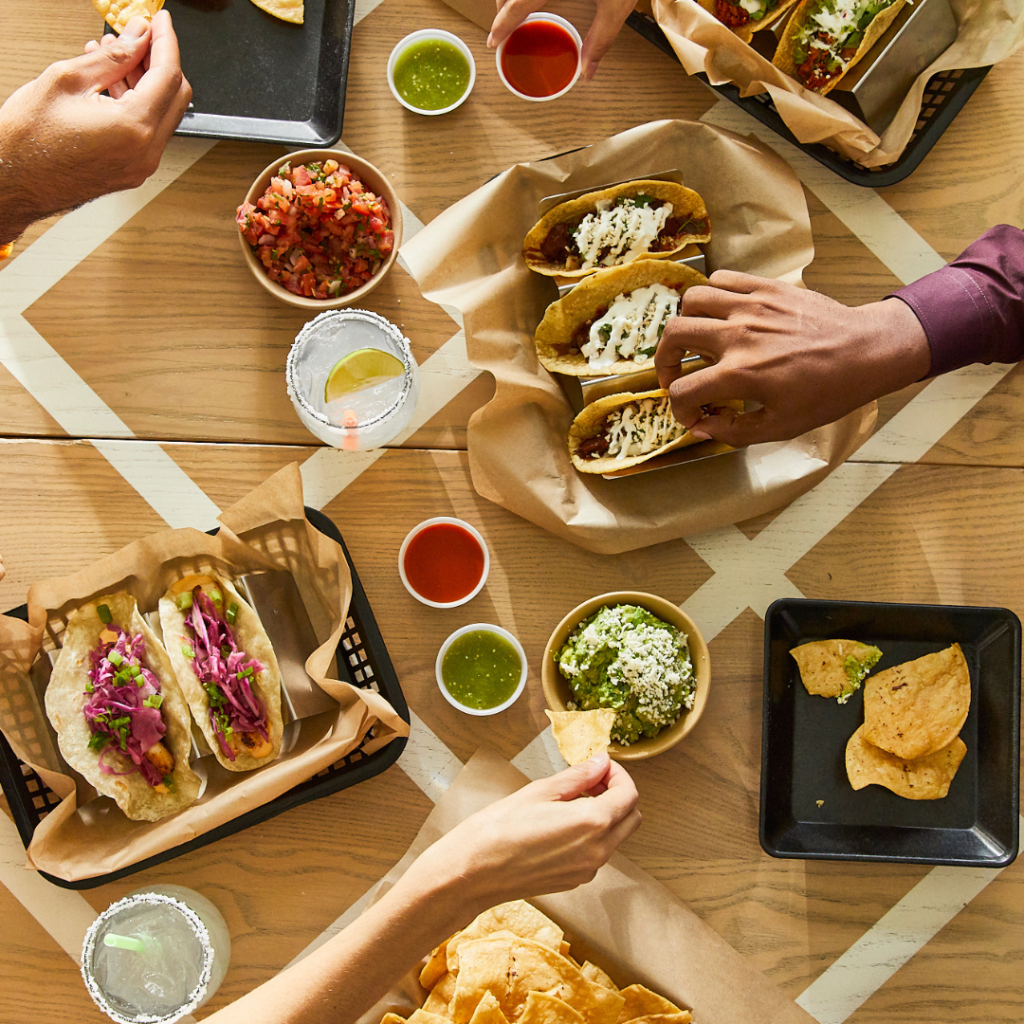
Baja-style sauce is often misunderstood. It’s not meant to be spicy or overpowering. Instead, it’s creamy, tangy, and subtly seasoned.
Typically made with mayonnaise or crema, lime juice, garlic, and mild spices, the sauce adds richness while balancing the crisp fish and fresh toppings.
In great baja tacos, the sauce enhances rather than dominates. Too much sauce masks flavor; just enough makes the taco sing.
What Separates Baja Tacos from Other Fish Tacos
While many tacos feature fish, not all qualify as baja tacos.
Fish tacos in general can include grilled fish, blackened seasoning, heavy slaws, cheese, or spicy sauces. These versions are delicious in their own right but follow different traditions.
Baja tacos stay true to a coastal style:
- Light batter instead of heavy breading
- Minimal toppings
- Emphasis on freshness
- Balance over boldness
This distinction is what gives baja tacos their identity.
Why Baja Tacos Feel Lighter Than Other Fried Foods
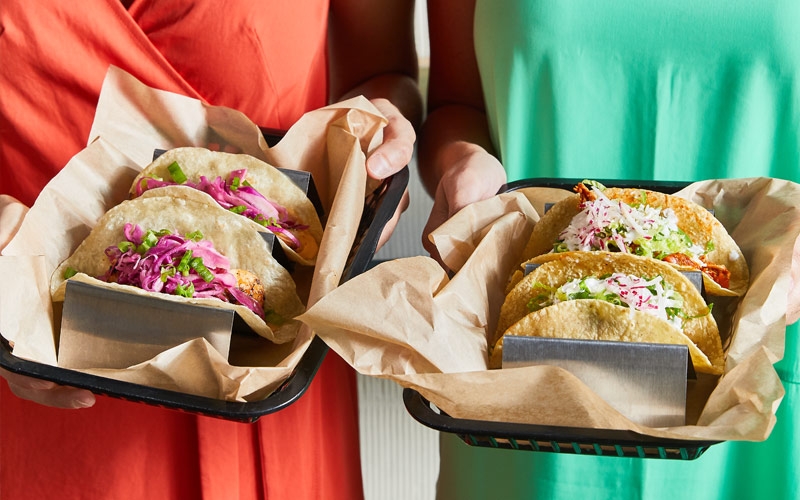
One of the most common reactions to baja tacos is surprise — despite being fried, they don’t feel heavy.
This is intentional. The batter is light, the toppings are fresh, and the lime provides acidity that cuts through richness. Unlike heavier taco styles, there’s no cheese or thick sauces weighing everything down.
The result is a taco that satisfies without overwhelming.
How Baja Tacos Are Traditionally Enjoyed
In Baja California, tacos are casual by nature. They’re meant to be eaten fresh, often immediately after being assembled.
They’re typically served in pairs or trios, sometimes alongside chips and salsa. There’s no ceremony, no fuss — just good food meant to be shared.
This spirit of casual enjoyment is central to the baja taco experience.
Baja Tacos Compared to Other Taco Styles
Compared to street tacos like carne asada or al pastor, baja tacos offer a noticeably lighter and brighter experience. While street tacos often emphasize bold marinades, char, and richness, baja tacos lean into contrast — crisp textures balanced with creamy sauces and fresh citrus. The result is a taco that feels satisfying without being heavy.
When placed next to Tex-Mex tacos, the difference becomes even clearer. Tex-Mex styles tend to rely on melted cheese, seasoned ground meats, and heavier toppings, creating a more indulgent profile. Baja tacos, by contrast, are more restrained and refined. They prioritize ingredient quality over quantity, allowing the natural flavor of seafood to lead.
This balance is what gives baja tacos such wide appeal. They resonate with seafood lovers seeking freshness, casual diners looking for something approachable, and anyone craving bold flavor without excess. It’s a style that feels both familiar and elevated at the same time.
Why Baja Tacos Are Ideal for Groups and Events
Baja tacos are naturally designed for sharing. Their approachable flavors and customizable proteins make them easy to enjoy across a wide range of tastes and dietary preferences. Whether someone prefers fried fish, shrimp, grilled options, or plant-based alternatives, the Baja style adapts seamlessly without losing its identity.
Because they’re built around balance rather than heaviness, baja tacos pair effortlessly with sides, drinks, and casual gathering formats. They work just as well for laid-back lunches as they do for celebrations and social events. This versatility is why they’ve become a popular choice for catering, group dining, and communal experiences where good food and good energy matter equally.
What Makes a Truly Great Baja Taco Restaurant
The difference between an average baja taco and a great one isn’t creativity — it’s execution. Great baja tacos start with quality seafood, prepared with care and consistency. The batter should be light, the fish perfectly cooked, and the tortilla warm and supportive.
Fresh toppings matter just as much. Crisp cabbage, bright salsa, and a well-balanced sauce all play a role. When these elements come together with intention, the taco feels effortless, almost simple — even though precision is doing the heavy lifting behind the scenes.
A truly great baja taco restaurant understands that restraint is a strength. It doesn’t chase trends or overload the plate. It focuses on getting the fundamentals right, every time.
Conclusion: Why Baja Tacos Endure
Baja tacos endure because they’re honest. They reflect a place, a culture, and a way of cooking that values simplicity and quality above all else.
In every bite of a well-made baja taco, you taste the coast, the balance, and the philosophy that great food doesn’t need to be complicated — it just needs to be done right.
What are baja tacos made of?
Baja tacos typically feature battered or fried fish, warm tortillas, shredded cabbage, creamy baja sauce, salsa, and fresh lime.
Are baja tacos always fried?
Traditionally yes, but grilled versions are common and still considered Baja-style when balanced properly.
What fish works best for baja tacos?
Mild white fish like cod, halibut, or mahi-mahi are ideal due to their texture and flavor.
Are baja tacos healthy?
They can be lighter than many taco styles thanks to minimal toppings and fresh ingredients, even when fried.
What sauce is used on baja tacos?
A creamy baja-style sauce made with crema or mayo, lime juice, garlic, and mild spices.